Riding Gravel with a “Vintage Digital” Point-n-Shoot
For the last few months, I've been on the hunt for a cheap, pocketable, used point-n-shoot zoom camera to throw in a sweaty jersey pocket while riding around the dusty gravel roads in the Hudson Valley. After way too much time reading old reviews, watching YouTube videos, and scrolling through eBay listings, I finally landed on a 2013 Olympus XZ-10. I carved out an afternoon to ride my Fezzari (ARI) Shafer around Mohonk Preserve and Minnewaska State Park and test out this 13-year-old digicam. Here are the results.
Miles and miles of gravel can be found in the Hudson Valley. And the old carriage roads around Minnewaska and Mohonk Preserve are theme parks for gravel riders.
Part of the appeal was simply having a real lens. As good as phone cameras have become, they still don't quite see the world the same way. The Olympus XZ-10 gives me a 5x optical zoom (that’s 26-130mm in the full frame equivalent) and lens compression that a phone struggles to replicate convincingly. On the trail, that means I can isolate a distant ridgeline, pull a waterfall a little closer, or flatten layers of hills into something more graphic and interesting. It's a small thing, but it gives me more options for the way I compose my images.
I rode 30 miles through Minnewaska and Mohonk on a gorgeous 74 degree June day and came home with some photos I really like. But, it's definitely an older digital camera.
The sensor is grainy. The lens is a little soft. Autofocus is slow and imprecise. Chromatic aberration is horrendous. The manual controls aren't great. Don’t even think about using it for video. The camera struggles to produce a usable JPEG straight out of the camera (for my tastes); most images need some sweetening before they really come alive. Thankfully it shoots RAW, allowing me to craft the image into the picture I saw when I pressed the shutter.
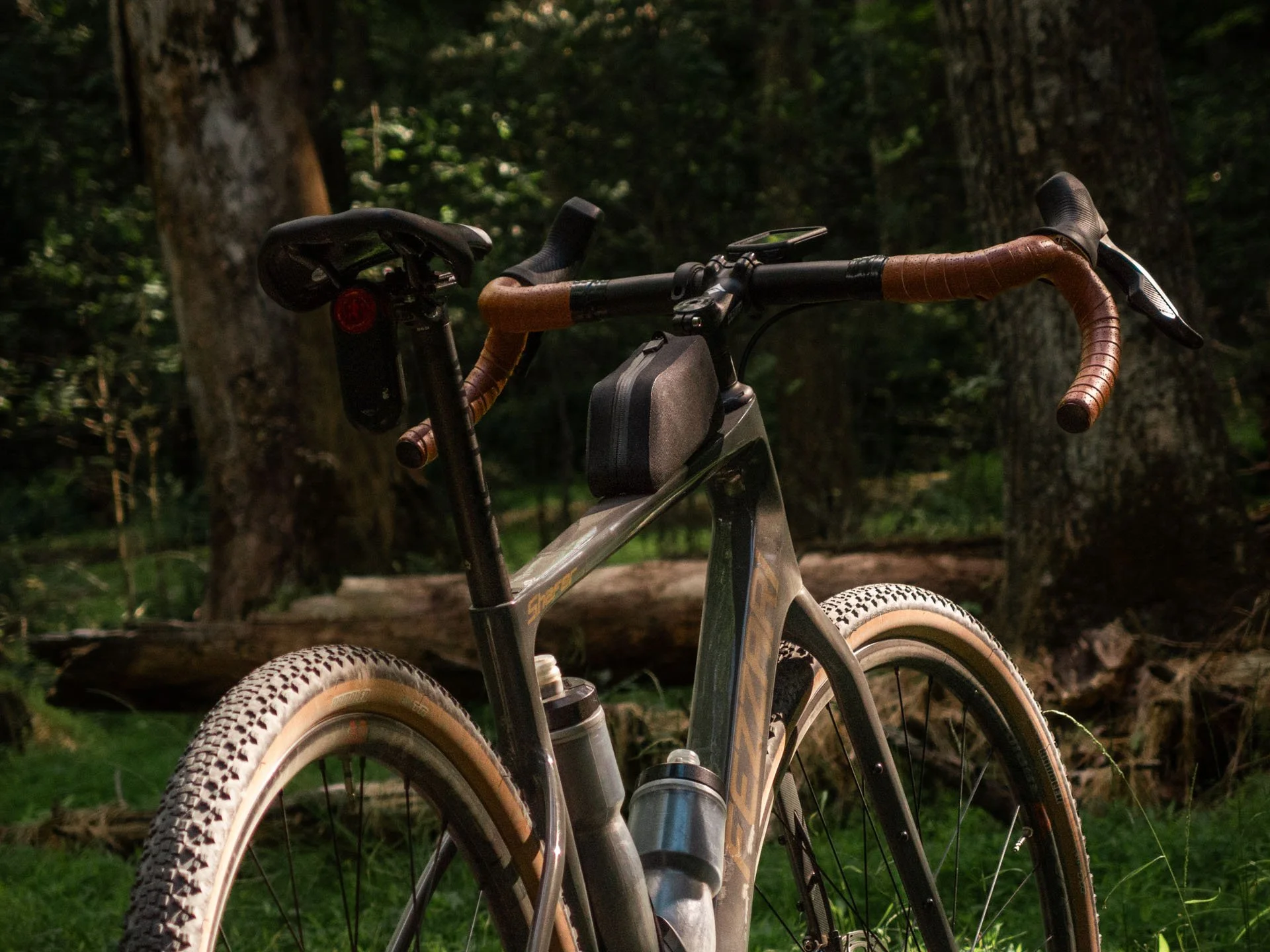
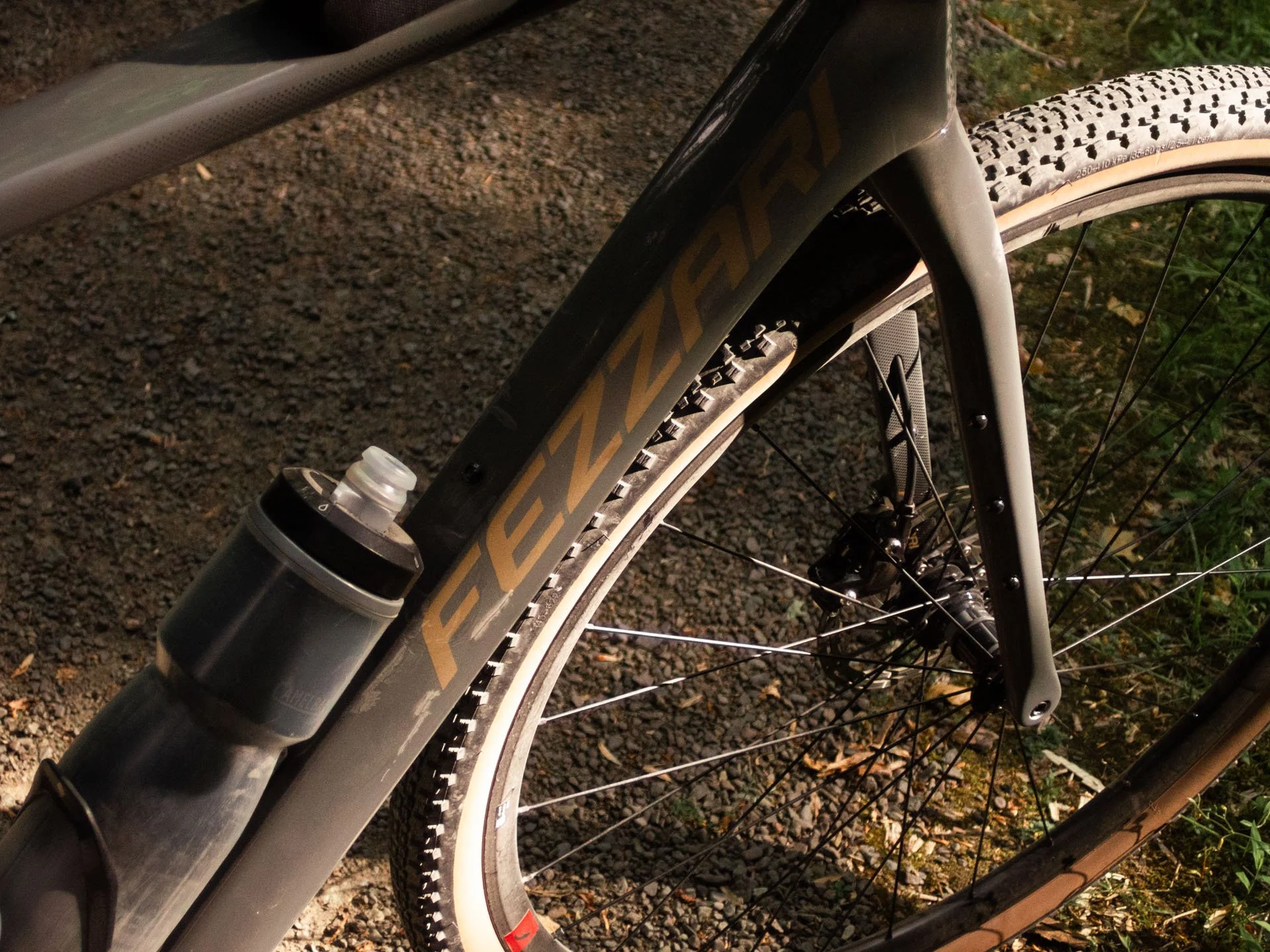
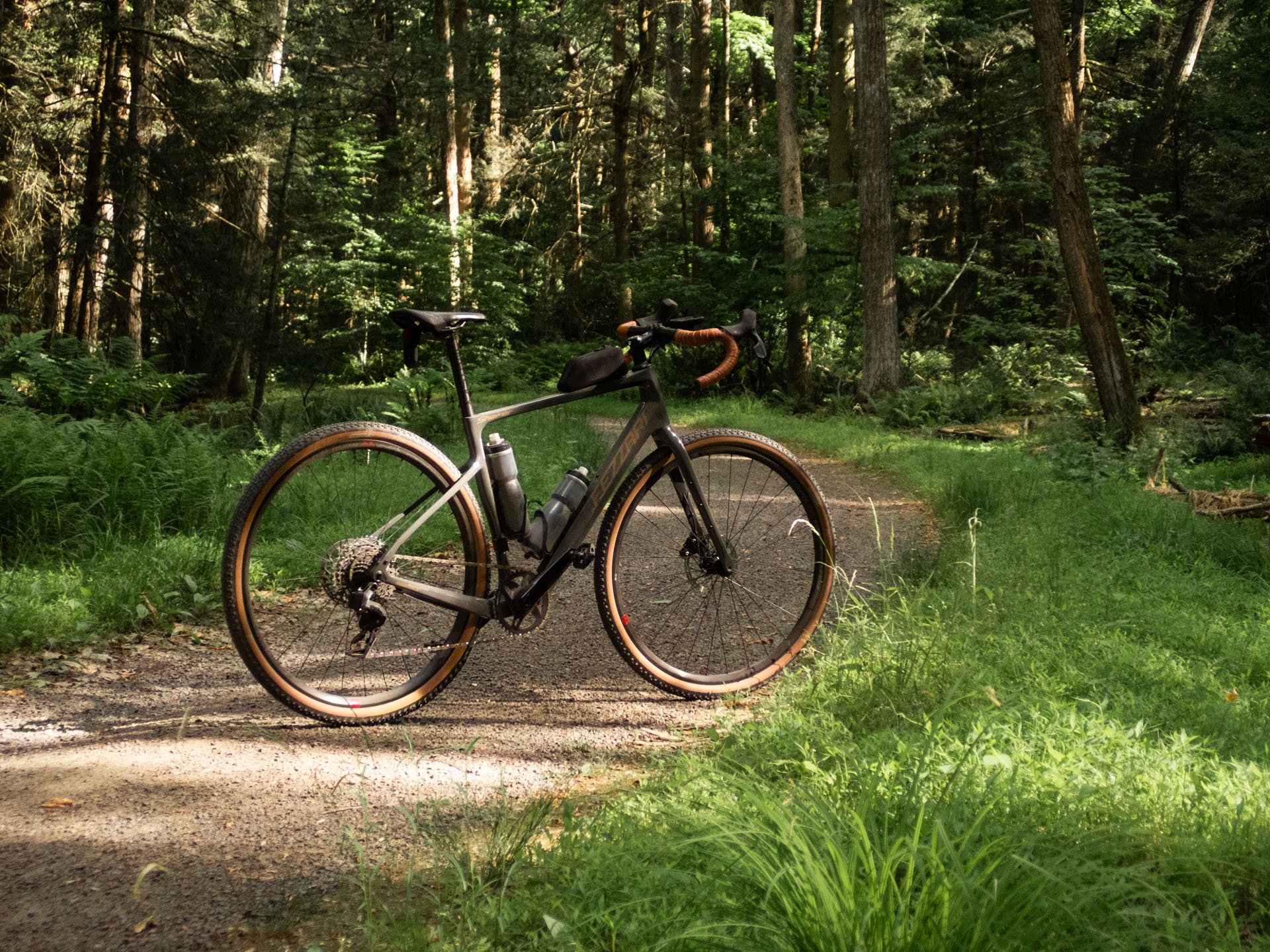
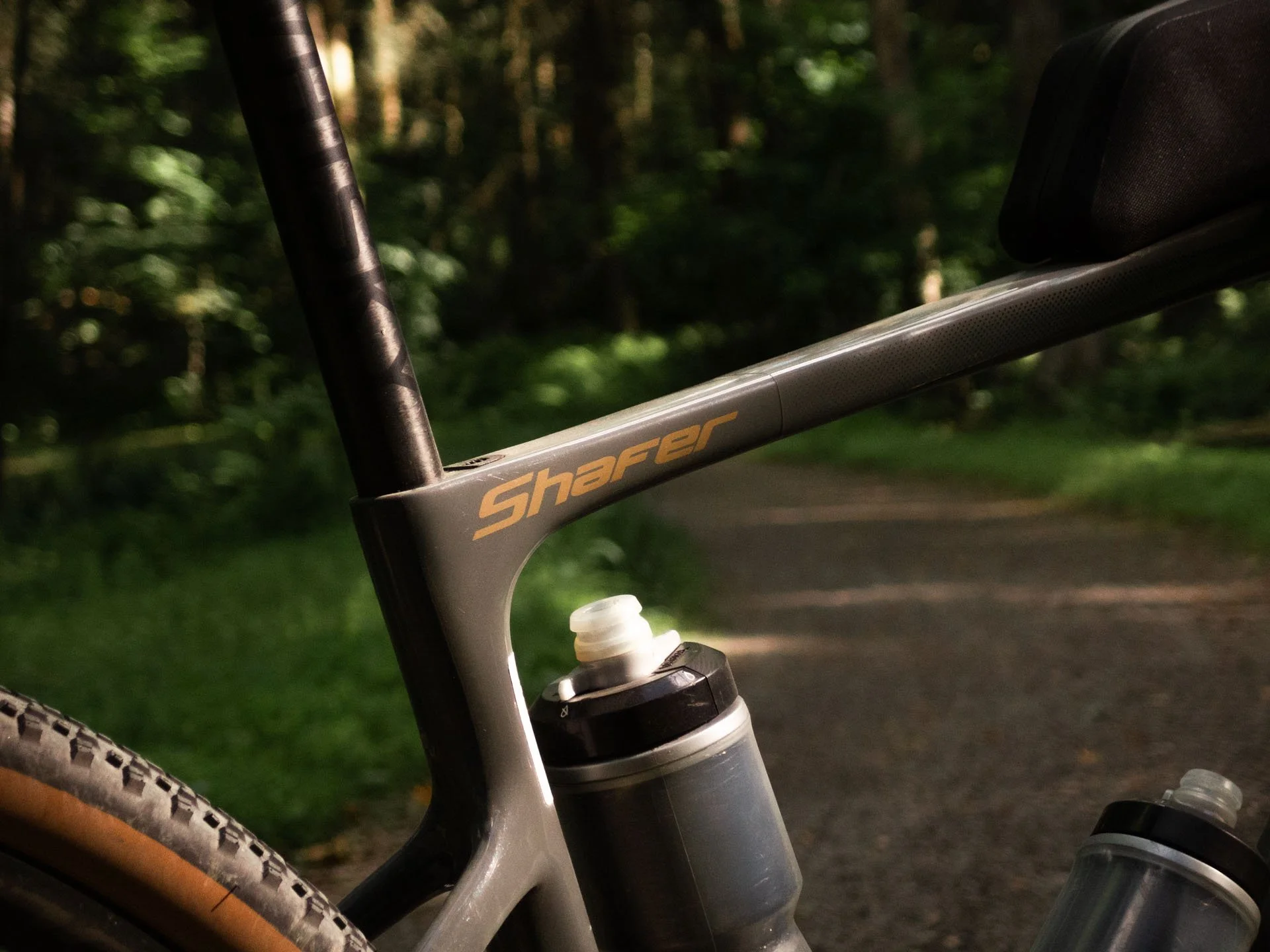
Compared to my Ricoh GRiii, my Fuji X-T5 and other modern cameras, it's objectively outclassed. The Ricoh can run circles around it in terms of speed, sharpness, and dynamic range in a compact size. And, of course, the X-T5 is a proper mirrorless camera with interchangeable lenses. I also posit that other cameras c. 2013 could performed much better. I used to have a Sony RX100ii—also a 2013 release—and that had way more dynamic range and sharpness in a similarly-sized camera. Overall, the Olympus feels like it's working a lot harder to make a photograph.
But that's also why I love it.
The XZ-10 is exactly what I wanted it to be: a small, lightweight, compact, inexpensive camera that I can throw in a jersey pocket and not worry about. It goes everywhere with me. If it gets bounced around on a gravel ride, I'm not having a panic attack over damaging a couple thousand dollars' worth of gear.
And that’s another factor: the price. My goal was to spend less than $200, and this near-mint specimen cost my only $165. Most on ebay come from Japan and, at the time of this writing, are around $250 with shipping. The Ricoh GR and Sony RX100 are both north of a $1000 brand new, and retain their value on the used market. It’s hard to beat the value of the Olympus, despite its comparative weaknesses.
The XZ-10 struggled in these high-contrast environments environments with lots bright sun and dark, forest shadow. The highlights “blow out” easily.
And there is something charming about the images it produces. The grain, the softness, the occasional missed focus, the limited dynamic range—it all adds a character. The photos don't feel clinically perfect. They feel crafted because I actually had to craft them. The Olympus almost reminds me of shooting film, not because the images look like film or any post-processing, but because it forces me to shoot with a little more intention. I have to nail the exposure in camera, or at least get it reasonably close. And editing the final result requires a little more interpretation and effort to get the images where you want them to go.
I think that's what so many people are chasing when they talk about the "vintage digital" look—which is trending pretty hard among Gen-Zer’s. It was never my goal to jump on this bandwagon, I just wanted a cheap used compact. Besides, I don’t think having any certain camera will suddenly make you a photographer or guarantee a certain result. Photography is a skill of the mind and the heart; the camera is just a tool. Different tools have different specialties, abilities, and ranges, and a skilled craftsman knows how to wield each to its strength. And in the end, the “best” camera is the one you have with you and actually use.
I’m very happy with the Olympus XZ-10 — it’s the “best” camera that fit my criteria of size, capabilities and price. It’s creating wonderful opportunities for me to combine my love of photography with my passion for cycling. And its weaknesses as a camera make it imperfect enough to make photography interesting again.
Thanks for reading. Enjoy a few more photos.
This reminds me of the shots I’d get with Kodak disposable film cameras in the 90s.
Gotta love 5x zoom in my back pocket!
It’s subtle, but a 1x or 2x lens on an iPhone (or even the 28mm of my Ricoh GR), wouldn’t be able to create a shot with this kind of compression — where that diminishing trail in the distance is pulled closer to the foreground. It’s a more dramatic image and an example of why I wanted this camera.